
Qatar Drafts Five-Year Plan to Secure Independent Defense by 2031
The Gulf state aims to reduce reliance on the United States by building integrated air defenses and diversifying its security partners.
By James Mitchell ·
Qatar faces a security dilemma as it seeks to protect its territory without depending entirely on external powers. The small Gulf state has outlined a strategy to achieve defense autonomy by 2031, aiming to maintain its safety even if the United States provides only limited assistance. This shift responds to recent regional crises that have exposed vulnerabilities in current security arrangements.
Since the beginning of 2026, developments in the Gulf have raised questions about regional stability. Qatar currently relies heavily on the United States for protection, with a major military base hosting US forces on its soil. However, analysts note that this dependence does not guarantee collective support from other Gulf Cooperation Council members, who may hesitate to take risks in defense of a neighbor.
The proposed five-year plan focuses on building national capabilities rather than creating an army capable of defeating a major regional power alone. The goal is to allow Qatar to detect threats, absorb initial strikes, and maintain essential services during a crisis. This approach emphasizes resilience over raw military strength, ensuring the state can function without waiting for external rescue.
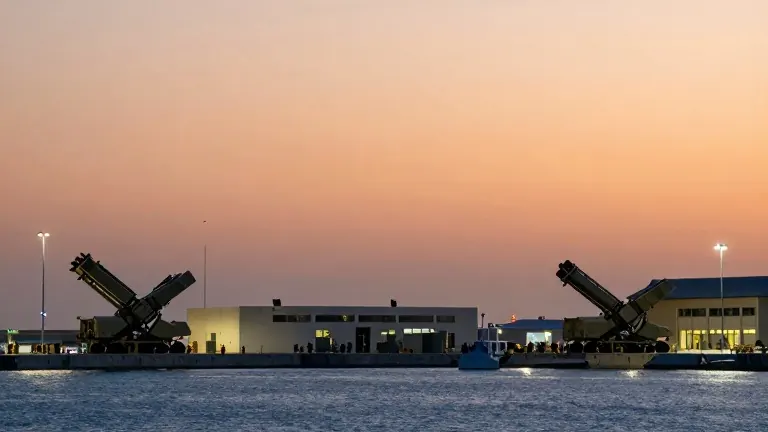
The strategy rests on six pillars, starting with an integrated air and missile defense system. Qatar currently possesses advanced fighter aircraft but lacks a unified national defense shield. By 2031, the plan calls for multilayered radar networks, integrated civilian and military systems, and expanded counter-drone capabilities. The objective is a system that remains functional even if US forces are absent.
Air force independence is another priority. The plan requires increased ammunition stockpiles and domestic maintenance capabilities to sustain operations for weeks without foreign supply lines. Qatar also aims to develop ground and aerial refueling capacities and disperse its ammunition stores to prevent single-point failures. These measures are designed to keep the air force operational at a reduced level during disruptions.
Maritime protection is critical for Qatar’s economy, which depends on energy exports through its ports. The plan calls for a naval force that makes attacks on maritime infrastructure difficult and costly. This includes improved surveillance of offshore installations and capabilities to counter maritime drones. Protecting these routes ensures the uninterrupted flow of trade and shipping that supports the national economy.
Finally, the strategy includes diversifying security guarantees to reduce reliance on a single ally. Qatar may pursue partnerships with South Korea, Turkey, and European powers, as well as regional actors like Pakistan and China, in specific fields. This diversification is not intended to replace the US alliance but to create multiple layers of security support for the state.
Source: Al Jazeera