Australia's inflation hits 4.3% as fuel costs spike 24%
Treasurer Jim Chalmers points to the Iran war and global tech spending, but a new poll shows nearly a third of voters blame government spending for the cost-of-living squeeze.
By Michael Bennett ·
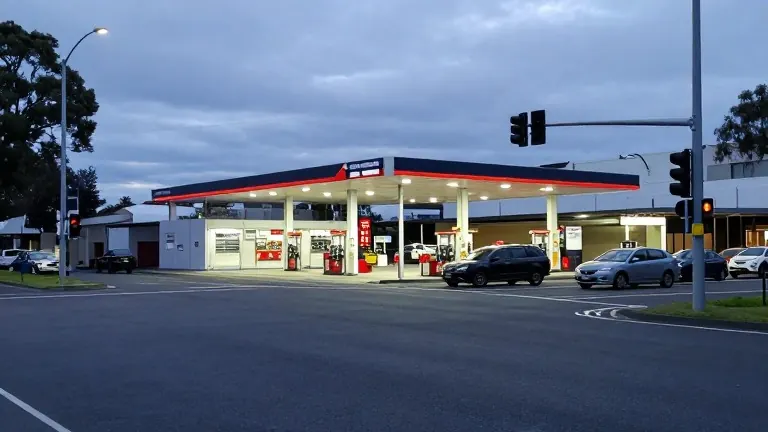
Treasurer Jim Chalmers is blaming Australia’s accelerating inflation on the Middle East conflict, but the electorate is largely rejecting that explanation. The latest data shows inflation jumped from 4% to 4.3% in the year to the September quarter, a surge driven primarily by a 9.4% increase in fuel costs. Petrol and diesel prices averaged 24% higher than a year earlier, creating a direct economic link to the war on Iran that began in late February. Despite Chalmers' argument that the government should not bear the brunt of this global shock, voter sentiment is turning against the ruling party.
The conflict in the region has compounded existing domestic pressures. A sudden boom in spending on datacenters is injecting capital into an economy already struggling to supply the workers and materials needed for housing and road construction. This infrastructure rush is part of a global trend by technology giants to support artificial intelligence. Michele Bullock, the Reserve Bank of Australia governor, noted earlier in the day that these overseas developments are complicating the central bank's task of returning inflation to its 2.5% target by the end of next year.
Public opinion is shifting despite these external factors. An Essential poll conducted this week reveals that nearly one-third of voters identify government spending as the top cause of rising living costs. Only 24% cited overseas events, such as the global oil shock, as the main driver. Another 19% blamed supermarket price gouging. While economists like Chris Richardson, the country’s chief budget watcher, argue that public spending is too high and hinders the fight against inflation, the government maintains its expenditure share is at record highs. This stance conflicts with Reserve Bank officials' frequent references to capacity pressures that existed before the war began.
The underlying inflation measure, which strips out the largest price swings, also rose from 3.6% to 3.7%. This trend suggests that price pressures are becoming entrenched. The Reserve Bank confirmed during Senate estimates that it is more concerned about inflation becoming fixed than it is about unemployment, which recently hit a five-year high. This priority signals that the central bank is prepared to keep interest rates high to cool the economy.
Voters will feel the impact of this policy choice next Tuesday. The Reserve Bank is expected to deliver the year’s fifth interest rate hike, raising the cash rate to 4.85%. This would mark the highest level since the Global Financial Crisis in 2008. Sarah Hunter, the central bank’s chief economist, stated there are no signs the economy is in or heading into a recession in the near term. However, mortgage holders will face increased costs, adding to the strain on households already dealing with high fuel prices and rising joblessness.
The political pressure on Chalmers is mounting as the government approaches the third year of its parliamentary term. The share of Australians who believe the country is on the wrong track has climbed steadily to 61%, while only 25% disagree. The government must use the December mid-year budget to attempt to change this narrative. With no obvious solutions available, Chalmers faces a difficult task in the final stretch of the term. He recently noted that the Middle East conflict cannot end soon enough, a sentiment shared by many economists watching the inflation data.