
1 in 4 Americans will be 65 by 2060, straining housing supply
A Census analysis suggests the national stock of single-level, accessible homes is already insufficient for the growing older population.
By Sofia Ramirez ·
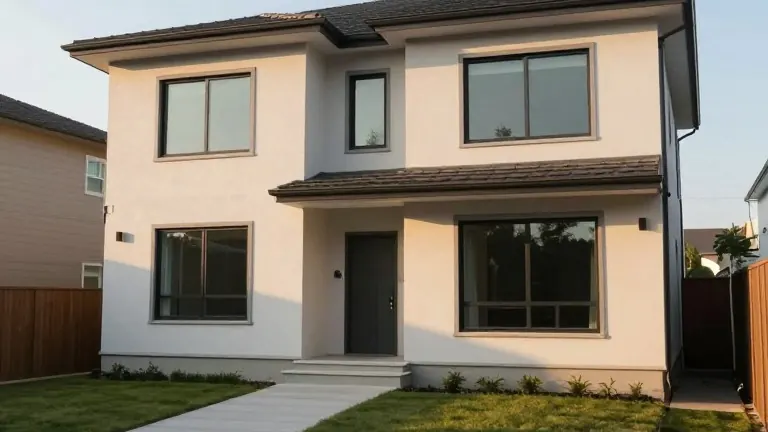
The United States is experiencing a demographic shift that is reshaping the real estate market. By the year 2060, one in four Americans will be age 65 or older. This projection follows a 2019 census where one in six residents had already reached that milestone. The rapid increase in the senior population is creating a specific demand for housing that current inventory may not meet.
A 2019 analysis of U.S. Census data indicated that the national supply of aging-ready homes might be inadequate for the growing number of older households. The Census Bureau defines these dwellings with three specific criteria: a bedroom and a full bathroom located on the first floor, and a step-free entryway. These features allow residents to live independently without navigating stairs or uneven terrain.
Heather Simon, a mortgage lender with 35 years of experience, has observed a distinct change in client requests over the past six to seven years. She noted that many couples who have lived in their homes for more than 30 years find the structures no longer conducive to their needs. Simon specifically cited multi-level houses as a primary problem for aging clients who can no longer manage stairs.
Clients who previously occupied 4,000 to 5,000 square feet are now seeking smaller, single-level homes with aging-in-place features. These modifications typically include a master suite on the ground floor, wider hallways, and zero-step showers. Simon stated that in Virginia, there appears to be a lack of one-story homes of the appropriate size for downsizing couples. She added that the issue is national, with many families struggling to find suitable housing for parents that fits their health needs and lifestyle.
Beth Powell, who owns Home with Heart and assists clients with downsizing, agreed that inventory exists but often lacks necessary accessibility. Powell rejected the notion that patio homes are a viable solution for all seniors. She argued that these units are often inaccessible and expensive. Powell questioned why a person who has paid off their home should take on debt for an enormous amount of money at the end of their life.
Both experts emphasized the need for cost analysis when choosing between retrofitting an existing home, purchasing a new one, or building. Simon described the transition from a 5,000 square foot house to a 2,000 square foot home as a huge and emotional change. She noted that this process often requires months of careful planning. Powell and Simon both advised that families should start conversations before a crisis occurs.
Experts warned that the worst-case scenario often happens after a fall or health crisis forces a homeowner to make a decision. In those moments, options are more limited and typically more expensive. Simon and Powell recommended working with a team to find the right fit for everyone involved. Until the inventory of aging-ready homes increases, retrofitting existing homes to accommodate multiple generations is likely to remain a growing trend.