3.7% inflation: The number behind Tuesday's Republican losses
AP Voter Poll data shows that 6 in 10 voters blame Trump's policies for rising costs, driving a shift to Democrats in House and Senate races.
By Michael Bennett ·
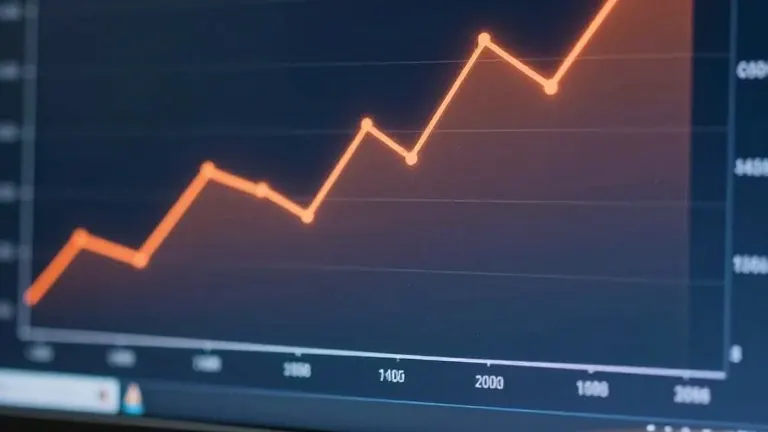
The U.S. economy posted a 3.7% annual inflation rate in the months leading up to Tuesday's elections, a figure that anchored a voter shift away from President Donald Trump and his Republican allies. The Associated Press Voter Poll, which surveyed roughly 100,000 registered voters, found that two-thirds of respondents attributed the price increases to Trump's specific policy choices rather than the legacy of his predecessor, Joe Biden.
Before Trump began his second term, inflation sat at 3%. Since then, consumer prices have climbed due to a series of tariffs imposed on foreign imports and an energy price spike following the war with Iran that began in February. The AP VoteCast data indicates that this perception of policy-driven inflation was consistent across the political spectrum, with voters in states ranging from California to Mississippi agreeing that the import taxes did more harm than good.
Trump campaigned on the premise that prices were falling, telling a crowd in Iowa, “I’ve done a great job.. Prices are coming way down.” He later told reporters on Wednesday that the conflict with Iran “drove the gasoline up a little bit short-term” but maintained that the war was necessary to stop Iran's nuclear program. “If I had to do it again, I'd have to do it again,” he said.
The election results reflected a growing disconnect between the administration's messaging and the financial reality of middle- and low-income households. About 9 in 10 voters identified the cost of living as a crucial or major factor in their congressional vote. Within that group, 6 in 10 supported Democratic candidates for House seats. Conversely, about 7 in 10 voters nationwide said the economy favors the wealthy, a sentiment shared by a majority of high-income voters in California who reported household incomes of $300,000 or more.
Despite a stock market that rose more than 10% this year and an unemployment rate of 4.2%, many voters expressed anxiety over the rapid expansion of artificial intelligence. About 6 in 10 respondents said AI would hurt society more than it would help, fearing job displacement or a financial bubble. Trump, who has rebranded the technology as “super intelligence” in federal documents, opposed aggressive federal oversight to stoke the boom.
The poll also revealed a split in priorities based on income. Households earning less than $50,000 a year were 60% more likely to say they were worse off than two years ago. Higher-income voters, however, were more concerned with democracy and government corruption. About 4 in 10 households with incomes above $200,000 cited democracy as their top issue, placing it on par with the economy.
The AP Voter Poll was conducted by SSRS from Oct. 19 to Nov. 3 in Alaska and Oct. 22 to Nov. 3 in all other states. The survey blends probability-based and non-probability-based interviews with registered voters in all 50 states. The margin of sampling error for the full sample is plus or minus 0.6 percentage points.