Arkansas Farm Bankruptcies Double Iowa's in Third Quarter
Federal court data shows 32 Arkansas operations filed for Chapter 12 protection this year, driven by low crop prices and rising fuel costs for irrigation.
By Sofia Ramirez ·
Arkansas recorded 12 Chapter 12 farm bankruptcy filings in the third quarter of 2026, double the number reported in Iowa, the state with the next highest total.
Federal court data indicates that 32 agricultural operations in Arkansas have sought Chapter 12 protection since the start of the year. This figure sits just one case below the state's total for all of 2025. Nationwide, 292 such cases were filed in the first three quarters of 2026, a 19 percent increase over the 246 recorded during the same period in 2025.
Harrison Pittman, director of the National Agricultural Law Center at the University of Arkansas, attributes the rise to years of difficult economic conditions. He notes that lower commodity prices and higher production costs have squeezed farm finances. Recent increases in fuel and diesel prices have added to the strain, particularly for producers relying on irrigation.
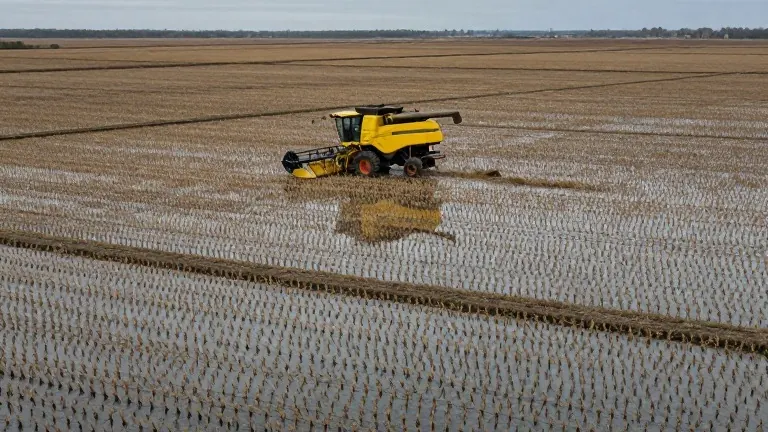
Pittman says Arkansas faces unique pressures due to its crop mix. The state is a major producer of soybeans and cotton and leads the nation in rice production. These industries expose local farms to multiple market and production risks. Many producers have used up their equity and now face the need to restructure debt.
Chapter 12 bankruptcy allows family farmers to reorganize their obligations while continuing to operate. The process involves working with attorneys, creditors, a bankruptcy trustee, and the court to create a repayment plan. These plans typically span three to five years. Producers who complete the plan may discharge eligible remaining debt and continue farming, though the operation may look different after restructuring.
Pittman cautions that Chapter 12 filings do not capture all financial distress. Some farmers exit agriculture without filing for bankruptcy if they have enough equity. Others may use different chapters of the federal code. The National Agricultural Law Center's DEBT Project tracks these trends, noting that filings often spike in the first quarter when producers work with lenders after harvest.
Historical data from January 2021 through June 2026 shows a pattern of increased filings in the winter months. With 32 cases already logged in Arkansas this year, Pittman says it is unclear when the trend will level off or decline.
More Business · Buyer Beware · Report a business · Got a Story?