Breaking: Strategists weigh in after Nasdaq correction and AI rout
Wall Street analysts offer mixed views on the market's future following a historic plunge driven by midterm election results.
By James Mitchell ·
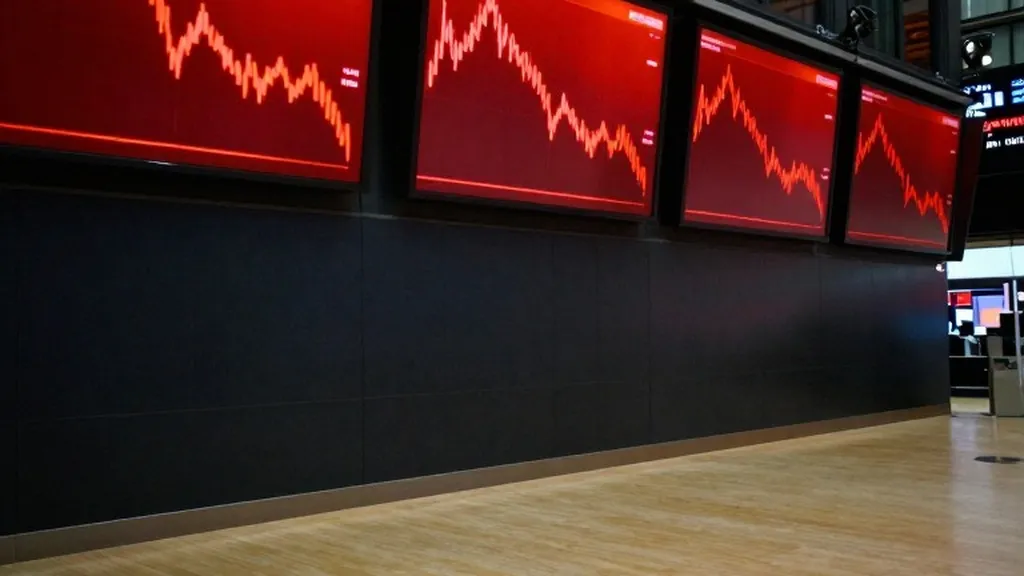
Stock markets across the United States experienced a severe sell-off on Thursday, with the Nasdaq Composite falling 5.5 percent to enter correction territory. This drop marked the worst performance for the index in 18 months and wiped out an estimated 2.5 trillion dollars in market value. The Dow Jones Industrial Average declined more than 1,800 points, a drop of 3.4 percent, while the S&P 500 fell 4.3 percent. For many local readers, this day represents a significant reduction in the value of retirement accounts and savings that have been invested in the stock market.
The primary driver of this decline was the outcome of Tuesday's midterm elections, where Democrats secured control of both the House and the Senate. Voters in several key states, including Texas and Ohio, approved measures to restrict data center development. This political shift has raised concerns among investors that the rapid expansion of artificial intelligence infrastructure may face new regulatory hurdles. The Philadelphia Semiconductor Index fell more than 12 percent, reflecting the deep impact on technology stocks.
Neil Wilson, an investor strategist at Saxo UK, described the events as a complete capitulation-level event in tech stocks. He noted that the fear is a total momentum unwind as Democrats pace the frontier and kibosh data center buildout. Wilson added that while the market looks totally overdone, the nature of sell everything behavior in this market means investors need to look for some stability first before making moves.
Dan Ives, a tech analyst, emphasized the legislative challenges ahead. He stated that there is no way to sugarcoat that Democrats taking control, especially over the Senate, will create some major hurdles for AI and tech legislation in the Beltway over the next two years. Ives said the midterm results are a clear sign that the pace of data center build-out will start to slow, which could affect the earnings projections of major technology companies.
Ted Parkhill, founder and chief executive of Incline Investment Management, offered a perspective on valuation. He said the market is moving from the promise of AI to the price of AI. Parkhill noted that while AI will be transformative for the world in the long run, that does not mean every AI-related stock is currently priced appropriately. He predicted there is going to be a lot of turmoil as the market adjusts to these new realities.
Gene Goldman, chief investment officer at Cetera Financial Group, offered a more optimistic outlook regarding the long-term trend. He said the sell-off had become exaggerated as selling accelerated through the day. Goldman predicted a recovery, stating that when you have a correction in a bull market, they are typically short lived. He added that it is ugly right now but he does think we will see a bounce back soon.
Historical data provides context for how markets have behaved after similar events. A review of ten Nasdaq corrections over the last decade found that sell-offs in 2025, 2022, 2020, and 2018 were followed by further rough selling over the next month. However, the Nasdaq was back in rally mode six months later in every case except 2022. On average, the Nasdaq gained 9.41 percent in the three months after a correction bottom and 17.03 percent over six months.
The January 2022 correction serves as a notable exception to this pattern. In that instance, the Nasdaq lost another 18.3 percent over the next six months and was down 24.3 percent a year later. Frank Cappelleri, founder of CappThesis, noted that the Nasdaq was higher 12 months after the election in all but one of 13 midterm cycles since 1974. He cautioned that the caveat is that the path can be a volatile one, as seen in 2018 when a sharp December sell-off followed an initial rally.
The volatility was evident in trading patterns throughout the day. The Cboe Volatility Index, often called Wall Street's fear gauge, jumped to above 28, its highest reading since March 31, 2026. By midday, nearly 800,000 VIX call options had traded, which was 3.5 times the 30-day average. This surge in trading activity indicates that investors were actively adjusting their portfolios to hedge against further declines or prepare for potential opportunities.
For small investors and savers in Whatcom County, this day serves as a reminder of the inherent risks and rewards of the stock market. The plunge in technology stocks has directly impacted the value of many 401(k) plans and individual brokerage accounts. While strategists like Gene Goldman predict a bounce back, others like Neil Wilson warn that stability must be established first. Investors are now watching closely to see if the market follows its historical pattern of recovery or if the political shifts in Washington will lead to a more prolonged period of adjustment.
More Business · Buyer Beware · Report a business · Got a Story?