Empty smokehouses define Alaska Senate race
A shortage of salmon in the Kuskokwim River has turned a local subsistence crisis into a major factor in the tight U.S. Senate contest.
By Michael Bennett ·
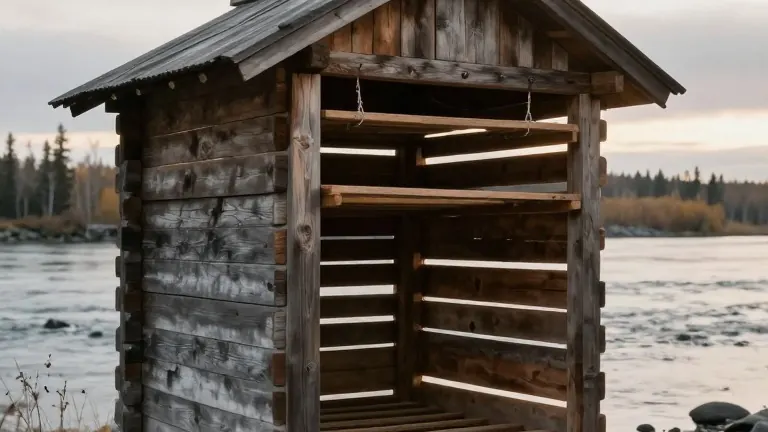
Salmon that have sustained Indigenous communities in Western Alaska for generations are not returning to certain rivers. This shift in the fish population has become the defining issue in the state's tight U.S. Senate race.
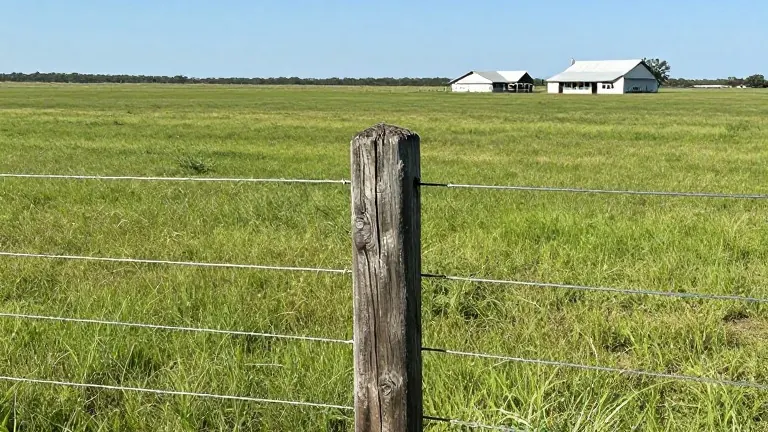
Evon Waska lives on the banks of the Kuskokwim River where his parents settled after leaving a nomadic lifestyle. He points to his drying racks, which stand empty this year. In most recent seasons, too few salmon have returned from the Bering Sea to support the local population. Government agencies frequently close the river to fishing to conserve the remaining fish. These closures affect Waska and other residents who fish to feed their families.
Waska blames the decline on industrial trawlers operating miles offshore. He notes that these vessels are not closed, while local fishermen are shut down first. The trawling industry is valued at approximately $1 billion and is heavily based in Seattle. Trawlers use sock-shaped nets that measure a quarter mile long with an opening as wide as a football field. These nets are designed to catch pollock, a white fish used in products like the McDonald's Filet-O-Fish. The process also captures king salmon and other species by accident. This waste is known as bycatch.
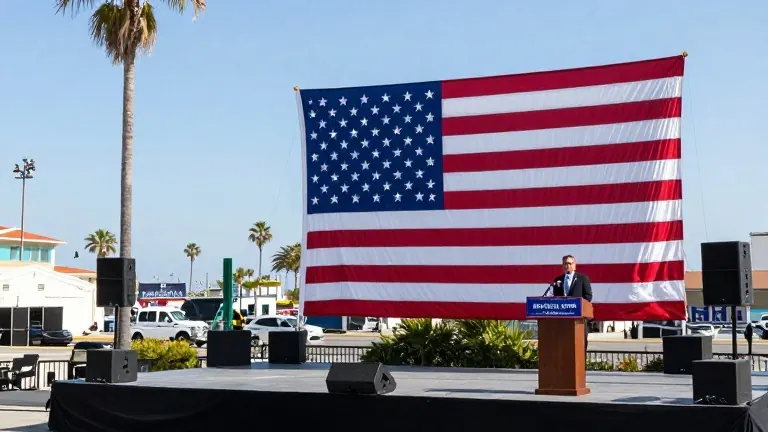
Political ads in Alaska now focus heavily on this conflict. Republican Senator Dan Sullivan has supported the pollock industry in the past. This year, he is promoting a new bill intended to reduce bycatch and protect seafloor habitat. Sullivan described the legislation as the most comprehensive bycatch package ever created.
Democratic challenger Mary Peltola, an Indigenous woman from the Kuskokwim region, criticizes Sullivan's approach. Peltola says she would ban factory trawlers, which represent the largest portion of the pollock fleet. She calls Sullivan's recent legislative efforts an election-year ploy. Peltola stated that Sullivan received over $300,000 from trawlers and waited until the eleventh hour for a solution she considers half-baked.
Heather Mann, who leads a trawlers association, argues that blaming the pollock fishery does not address the root causes of the salmon decline in Western Alaska. Mann said that even if pollock fishing were eliminated entirely, scientific data shows the impact on salmon runs would be minimal. Traders report that their vessels have caught 40,000 Alaska salmon this year. This number represents a small percentage of the total pollock harvest.
In the village of Kwethluk, subsistence fishing remains the primary occupation and a central part of the culture. Tribal president Mary Nikolai recently visited a neighbor's cold smokehouse. She noted that the structure had been unused all summer. Nikolai observed that most local smokehouses remain empty and described the situation as a slow trend of closing out the local workforce.
President Trump has attempted to preemptively block election results in Alaska should the Republican incumbent lose. Regardless of the final outcome in Washington, local leaders hope the close race draws national attention to the threat facing their communities.