
Stephen Miller becomes White House chief of staff after 2026 election losses
President Trump replaced Susie Wiles with his deputy chief of staff following Republican defeats in both chambers of Congress.
By James Mitchell ·
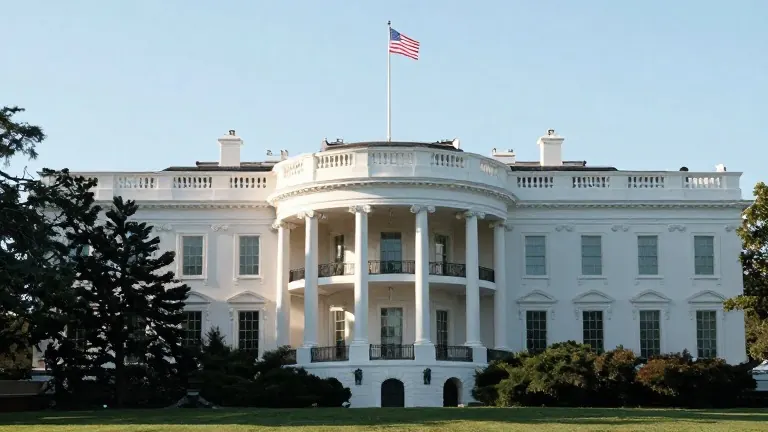
President Donald Trump appointed Stephen Miller as White House chief of staff on Friday. The change replaces Susie Wiles, who led the office through the 2026 midterm elections. Republicans lost both chambers of Congress by wide margins on Tuesday.
Miller, who served as deputy chief of staff, assumed his new duties on Monday. Wiles submitted her resignation on Thursday night, according to a White House official. Trump announced the personnel shift on Truth Social in the afternoon.
The move signals a shift in strategy for the administration’s final two years. Miller is known for driving the president’s mass deportation campaign. Wiles is a longtime figure in Florida and national political circles. The switch suggests Trump intends to tighten ties with his MAGA base.
Steve Bannon, a former senior aide, said Miller understands the key issues and the ecosystem around them. "Miller knows the key issues and is a true believer, and he knows the ecosystem around the issues," Bannon said. He added that Miller would take immediate control upon arrival.
A Trump ally described the new chief of staff on a recent phone call. The ally said Miller gets things done and does not just tell the president what he wants to hear. The ally predicted Miller would be combative with Congress, especially regarding investigations into the administration.
"When the president says, 'Do this,' Stephen will do it, and he’ll leave bodies behind doing it," the ally said.
House Minority Leader Hakeem Jeffries of New York responded to the news on X. He is widely expected to become speaker in January. Jeffries called for Miller to be fired rather than promoted. "Stephen Miller is a dangerous xenophobe and reckless extremist who has American blood on his hands," Jeffries wrote. "His presence in government should be eradicated like a malignant tumor. Fire him today."
The 2026 midterms showed that a large group of voters is not strictly guided by partisanship. Democrats made deep inroads in red states and districts, securing historic gains in the House and Senate. Pre-election and exit polling indicated that young, Latino, and disaffected voters who supported Trump in 2024 swung back to Democrats. These voters believed the president did not keep his promises on inflation and costs.
Democrats now hold a mandate in a divided government. They must avoid self-inflicted damage from internal factionalism. Republicans face the task of sifting through the election wreckage to find a path forward. The actions of both parties during the lame duck period will shape legislative goals for the next two years and the 2028 presidential race.