Microsoft's Amsterdam Data Center Construction Halted by Protesters
Approximately 200 people were detained after activists stormed the site Friday as part of a coordinated European campaign against new data infrastructure.
By Sofia Ramirez ·
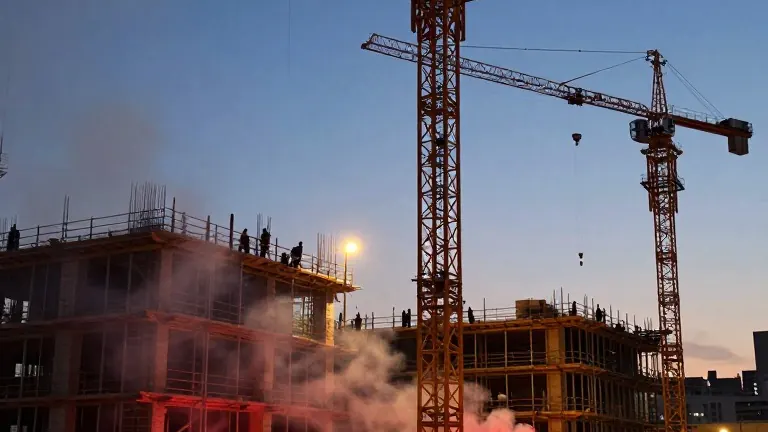
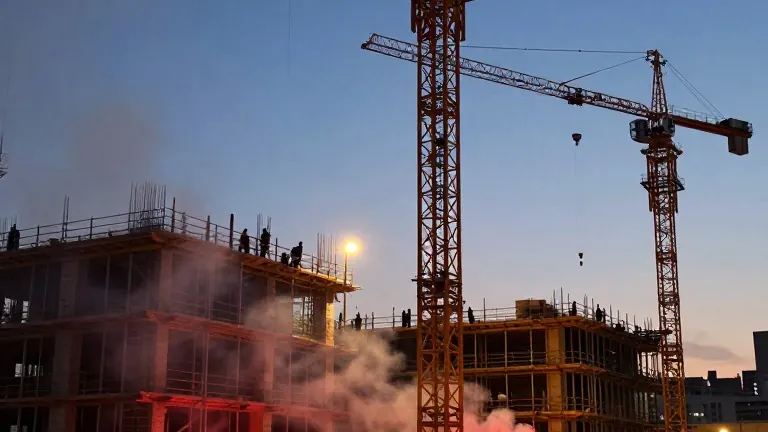
Protesters broke into the construction site of a new Microsoft data center in Amsterdam on Friday, climbing cranes and setting off flares in a confrontation with police. The incident marked the most recent escalation in a growing European movement opposing the rapid expansion of energy-intensive data facilities. Dutch police detained between 150 and 200 individuals on suspicion of trespassing during the demonstration.
The action is part of a coordinated effort known as Stop Dirty Data Centres. Organizers planned protests and direct actions across 15 European countries this weekend. The groups are demanding a moratorium on large-scale developments to address social and environmental concerns. The list of participating nations includes the Netherlands, France, Germany, Italy, Poland, Ireland, Denmark, Finland, Spain, and the United Kingdom.
Nathan Timmer, a member of the protest group Geef Tegengas, told local broadcaster AT5 that the occupants aimed to halt construction. "We do not want it to be built. Nobody needs it," Timmer said. He described the planned facility as a tool for "AI garbage, AI war, data surveillance, and committing genocides." Timmer promised the group would continue protesting until work stopped.
The timing of the protests coincides with a shift in U.S. politics. The actions occurred days after the mid-term legislative elections in the United States. A wave of Democratic candidates won seats, promising to tighten measures against data centers. These facilities face global resistance due to their high consumption of computing power and water.
In Germany, about a dozen demonstrators gathered outside a data center on the outskirts of Berlin. Caro Weber, a spokesperson for the protest, stated the group wants to end the "blind construction" of data centers across the country. "This is really, really dangerous for our future," Weber said. In Poland, approximately 100 people protested in front of the parliament in Warsaw. The demonstrators represented communities near the capital where new centers are planned.
Italy is experiencing a similar rise in grassroots opposition, particularly in the northern region of Lombardy. This area is the country's main hub for digital infrastructure. Activists argue that the growth of cloud computing and AI facilities is outpacing public consultation and environmental oversight. The movement reached a key milestone on October 10, when more than 1,000 people and representatives from about 40 local committees met in Milan's Piazza della Scala. Organizers described it as Italy's first national demonstration against data centers.
Microsoft acknowledged the protest in Amsterdam. A company spokesperson said, "We understand that people have strong feelings about this project and respect their right to express those opinions in a peaceful manner." The spokesperson added that the company does not endorse any action that is illegal or puts people's safety at risk. Owen Espley, coordinator of StopDirtyDataCentres.eu, noted a gap between elected leaders' belief in AI hype and public opinion.
Financial projections indicate a massive influx of capital into the sector. Europe is expected to attract $5.6 trillion in cumulative data center capital expenditure from 2026 to 2050. This figure represents about 18% of global investment, according to the Global Data Centre Outlook 2026-50 report by PwC. The United States is projected to draw $15.1 trillion in capital expenditure during the same period.