
Minnesota plants nearly 60,000 seedlings to replace dying ash trees
State crews are diversifying species in north-central wetlands to maintain water filtration and habitat as emerald ash borer approaches.
By James Mitchell ·
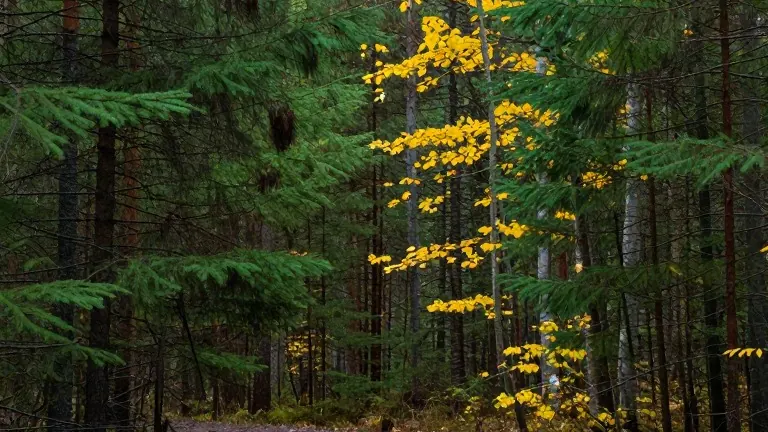
The Minnesota Department of Natural Resources has finished planting 58,800 tree seedlings in state forests near the known boundary of emerald ash borer infestations. The agency announced the completion of the project on Nov. 5. The work took place at three specific sites in north-central Minnesota where ash trees currently dominate the canopy.
Forestry crews manually planted white cedar, hackberry, silver maple, and swamp white oak seedlings beneath existing ash trees. The DNR sourced all the seedlings from its State Forest Nursery. Research cited by the agency indicates these four species can tolerate the specific growing conditions found in ash-dominated swamps. Although spring is the traditional time for planting, the DNR selected fall for this operation because drier ground allows for easier crew access.
The initiative targets a specific ecological threat. Emerald ash borer is an invasive insect that kills all three ash species native to Minnesota. The DNR estimates the state holds one billion ash trees. The insect now threatens tree cover in both urban areas and remote forests. In northern wetlands, ash trees often serve as the primary species. These forests filter water, reduce flooding, and provide habitat for various plants and animals.
By introducing different species, the DNR aims to preserve these ecological functions. If the ash trees die, a monoculture forest loses its structural integrity and utility. A mixed-species forest has a higher probability of retaining its water filtration and habitat capabilities. Chris Gronewold, the DNR’s Silviculture Program coordinator, stated that the project provides an additional tool to keep these ash swamps forested into the future.
DNR foresters will now monitor the three sites to track seedling growth and overall health. The agency is also asking the public to assist in slowing the insect's spread. Citizens can help by avoiding the movement of firewood outside established quarantine zones. The Minnesota Department of Agriculture regulates the emerald ash borer program and lists quarantined counties on its webpage.
The planting project addresses the immediate loss of canopy cover before the insect fully establishes itself in these northern wetlands. The state’s strategy relies on planting resistant or tolerant species before the dying ash trees drop their branches. This method creates space for new growth without requiring the complete removal of the existing forest structure.