Scholar argues Roman-era British ruler was actually a queen
Dr. Miles Russell contends that Verica, the Atrebates leader whose exile triggered the Roman invasion of Britain, was likely female based on linguistic and numismatic evidence.
By Sofia Ramirez ·
A British academic has challenged the long-held belief that Verica, the ruler who appealed to Rome for military aid in AD 43, was a man. Dr. Miles Russell, director of archaeological fieldwork at Bournemouth University, argues that Verica was a queen. His theory appears in his upcoming book, Caratacus: Great King of Britain.
Russell points to the Latin name Verica as a primary indicator of female gender, noting that such names often belonged to women. He further suggests that abbreviated inscriptions on coins, previously read as identifying a son, could just as easily identify a daughter. This linguistic analysis forms the core of his reevaluation of the Atrebates dynasty.
The historian also reinterprets the title Rex, which appears on Verica’s coinage. Russell states that during the late first century BC and early first century AD, this term described close Roman allies without strictly defining their sex. He contrasts this with the explicit male imagery found on coins issued by Verica’s predecessors, Cunobelinus and Caratacus.
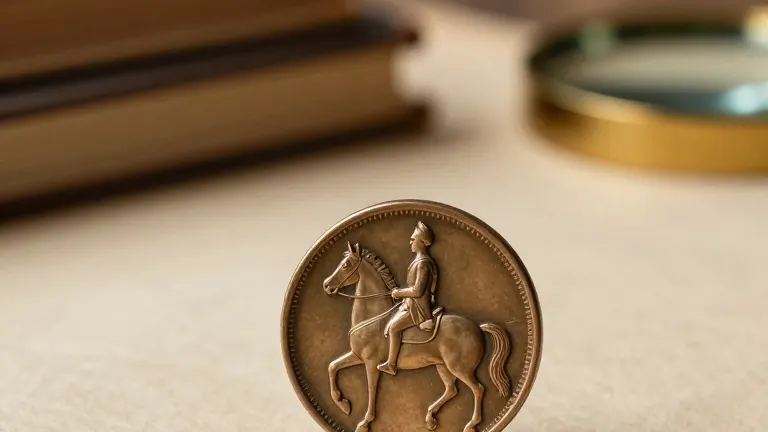
Visual evidence on the coins strengthens his claim, according to Russell. He identifies a naked rider on some artifacts as female, a departure from the clearly male horse riders depicted in earlier royal issuances. This interpretation aligns with his team’s prior research on the prominent role of women in Iron Age society and matches the Roman writer Cassius Dio’s observation that Emperor Claudius was easily influenced by women.
Other experts remain skeptical of the new narrative. Prof. Roger Tomlin, an Oxford-based archaeologist, noted that male Latin names can also end in the letter a. He argues that the existence of the masculine name Vericus provides stronger linguistic support for a male ruler. Tomlin also challenged the use of Rex for women, demanding more examples to prove the claim.
Tomlin dismissed the visual evidence by comparing a female figure on a coin to the male dragon-slayer on Queen Victoria’s gold coins, arguing that one image does not prove gender. Dr. Daphne Nash Briggs, an Iron Age coin specialist, added that some coins show an unmistakably male rider or figures wearing male priestly clothing. Russell disputes these readings, suggesting the head depicts the emperor and that the sex of the priestly figure is uncertain.
Despite the pushback, Russell said he welcomes further scrutiny of the established account. He stated that the academic community needs to have this discussion to refine its understanding of the period.