Iraqi PM Al-Zaidi Calls Trump to Keep Territory Out of Iran Conflict
Baghdad urged Washington to respect its sovereignty while Foreign Minister Fuad Hussein warned that renewed hostilities would devastate the economy.
By James Mitchell ·

Iraqi Prime Minister Ali al-Zaidi spoke by phone with US President Donald Trump on Thursday to address the escalating tensions between Washington and Tehran. The conversation focused on regional security and the potential for a second phase of the war that began in February.
Al-Zaidi’s office stated that the two leaders discussed the evolving situation and prospects for the next phase. The prime minister reiterated Iraq’s position that its land should not serve as a launchpad for attacks on neighboring nations. He emphasized the necessity of diplomacy to maintain stability in the region.
The call comes as Baghdad attempts to balance relations between its two powerful neighbors. Since taking office in May, al-Zaidi has worked to disarm various fighter groups within the country. These include several pro-Iran factions that have supported Tehran with cross-border strikes during the ongoing conflict.
Foreign Minister Fuad Hussein told Dijlah TV on Thursday that the possibility of new US military action against Iran is not a secret. He warned Iraqi armed groups to refrain from joining any Iranian retaliation. Hussein described the potential conflict as a disaster for the nation, stating that neither Iraqi society nor its armed forces are ready for war.
Hussein noted that Iraq has effectively become a battlefield since the US struck Iran. The country has faced attacks from both superpowers as well as internal armed groups. He asserted that Iraq belongs to no specific axis and maintains good relations with both the US and Iran. The foreign minister said the country needs a clear policy declaring it is not a participant in the war.
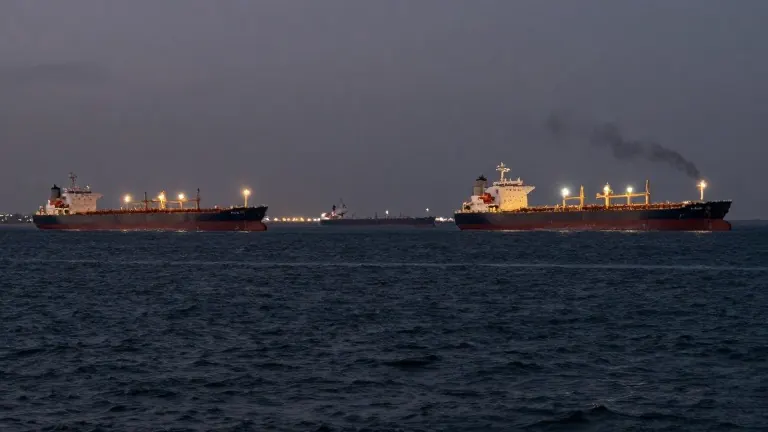
The economic strain on Iraq has been severe since the conflict began. The nation has lost more than $60 billion in oil revenues. Approximately 90 percent of Iraq’s oil exports typically pass through the Strait of Hormuz, a waterway Tehran largely closed to traffic. Oil constitutes about 90 percent of Iraq’s federal budget.
Despite the blockade, Iraq has secured an exemption from Iran to move its shipments freely through the strait. This arrangement has helped the country sustain its energy exports while it navigates the military standoff.