Iran demands seven concessions before reopening Strait of Hormuz
Tehran sent a new peace proposal to Washington via Qatar, conditioning negotiations on lifting sanctions and unfreezing assets.
By Michael Bennett ·
Iran has conditioned the reopening of the Strait of Hormuz on the United States meeting seven specific diplomatic demands. A senior Iranian official told Reuters that Tehran submitted a new nuclear and peace proposal to Washington on Thursday through Qatari mediators. The US is currently reviewing the offer. Iran says it will not resume talks on its nuclear program or allow ships to pass through the strait until these conditions are met.
The demands include the lifting of sanctions, the unfreezing of Iranian assets, and the end to the US naval blockade of Iranian ports. Iran also downed two US reconnaissance drones near Qeshm island this week. The US struck the island earlier in the same week. Tehran warns it will retaliate on a wider scale if the US resumes larger military strikes.
US President Donald Trump told reporters in the Oval Office on Thursday that the US may have to destroy the rest of Iran. He said people would know soon enough if he acts. Axios quoted a US official saying that Central Command is preparing for major operations and is waiting for orders from Washington. Trump made these remarks after his Republican Party lost ground in the midterm elections, which were influenced by public anger over energy prices.
Iran is also deepening its alliance with Russia. Mohsen Rezaei, the top Iranian security official, traveled to Moscow on Thursday to meet with Russian President Vladimir Putin. Rezaei delivered a message from Supreme Leader Mojtaba Khamenei. Iranian state media described the exchange as extremely important but did not provide details. The meeting included discussions on building gas pipelines from Russia to Iran to address energy shortages caused by US and Israeli strikes earlier this year.
The Financial Times reported that Russia agreed to supply Iran with 90 helicopter-mounted launchers for precision-guided missiles. The report cited production schedules showing an order assigned to a code used for Iran. Russia has also supplied Shahed drones, which it has used in Ukraine, and has helped Iran develop supersonic cruise missiles. Nicole Grajewski of the Carnegie Endowment for International Peace told the FT that Russia is willing to supply Iran despite its own wartime needs.
Iranian Foreign Minister Abbas Araghchi held phone calls with leaders from several Gulf states on Thursday. He spoke with the UAE foreign minister, Sheikh Abdullah bin Zayed Al Nahyan, about regional stability. Araghchi also discussed security with Saudi Foreign Minister Faisal bin Farhan Al Saud. He held calls with the foreign ministers of Kuwait, Turkiye, and Oman. The Qatari foreign ministry said Araghchi spoke with Prime Minister Sheikh Mohammed bin Abdulrahman bin Jassim Al Thani about reducing tensions and securing maritime navigation.
Iran has warned that any state helping the US target it will be a legitimate target. A spokesman for the Iranian Aerospace Force said on Thursday that Iran’s missile bases have the range to target US bases and the Israeli regime. Tasnim News reported that Iran’s response to new aggression will not be geographically limited. Iran has also warned that data centers and AI facilities in the Gulf could be attacked if war resumes.
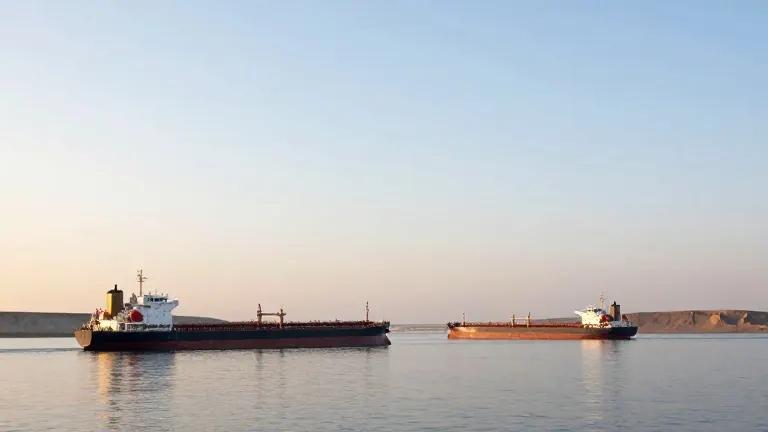
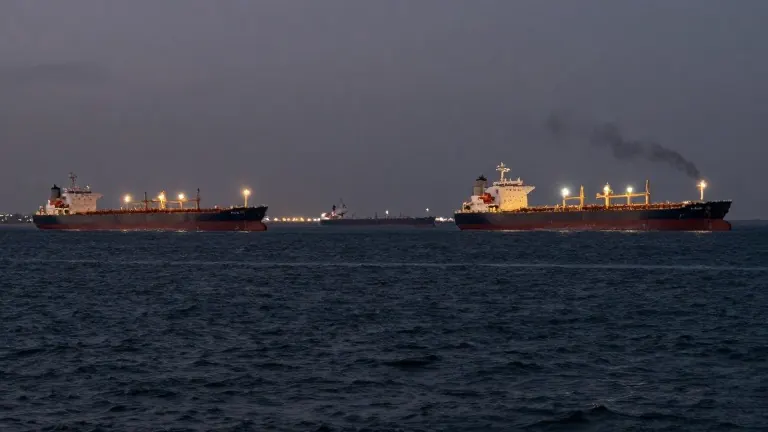
The Revolutionary Guard Corps navy says at least seven tankers caught fire this week after hitting mines in the Strait of Hormuz. Two oil tankers stopped on Friday after striking mines near Oman. The IRGC said the ships were using unauthorized routes with US military support. The strait normally carries about one-fifth of global oil supplies. Iran has granted exemptions to shipping from Iraq, Qatar, India, and China.
Qatar’s Emir, Sheikh Tamim bin Hamad Al Thani, spoke with Trump on Friday. The Qatari Emiri Diwan said they reviewed diplomatic efforts to reach a comprehensive agreement. Trump has not ruled out further strikes, but he has shown willingness to engage in diplomacy. Former Iranian diplomat Hadi Afghahi told Al Jazeera that Trump does not want to go to war because of the cost, but he is surrounded by hawks.
The Russian Foreign Ministry advised its citizens against travel to Iran due to escalation risks. Control over the Strait of Hormuz has been a main obstacle in negotiations since the war began in February. The US imposed a blockade on Iranian ports and has escorted tankers through the strait. Maritime organizations have not confirmed the latest ship incidents.