Qatar proposes bridge deal to restart Iran talks
Iran is reviewing a two-day trust-building plan that would swap sanctions relief for IAEA access, according to Middle East officials.
By Sofia Ramirez ·
Iran is reviewing a set of proposals from Qatar intended to bridge the gap with the United States over Tehran's nuclear program, two Middle East government officials said on Friday. The development offers a potential path to indirect negotiations on a key issue that President Donald Trump has designated as essential for ending the war, which has continued for more than eight months.
One official emphasized that Iran remains hesitant to enter direct negotiations with the Trump administration until Washington meets several core conditions. These demands have been a sticking point in previous ceasefire discussions. Both officials spoke on the condition of anonymity because they were not authorized to comment publicly on the delicate diplomatic exchanges.
The renewed engagement comes shortly after the Republican Party lost both chambers of Congress in the midterm elections on Tuesday. Voter dissatisfaction with the war's execution and the resulting rise in global fuel prices contributed to the electoral setback. The White House did not comment on the specific Qatari proposals, though Trump told reporters on Friday that mediators are still discussing the matter with Iran.
“We are talking to Iran. We have been,” Trump said, maintaining that the U.S. military holds control of the conflict against a weakened Iranian force. Tehran continues to insist on specific concessions from the United States that Trump has previously rejected. These include ending the U.S. blockade on Iranian ports, lifting sanctions, unfreezing seized assets, paying compensation for war damage, and halting hostilities across the region, including Israeli operations in Lebanon.
Regional officials said the Qatari mediators presented a bridge deal designed to create conditions for further talks on the nuclear program. The proposal calls for implementing trust-building measures over a two-day period. On the first day, the U.S. would lift the port blockade and release a portion of the billions of dollars in Iranian funds frozen during the campaign to isolate Tehran. In exchange, Iran would allow inspectors from the International Atomic Energy Agency to enter sites that were bombed by the U.S. and Israel.
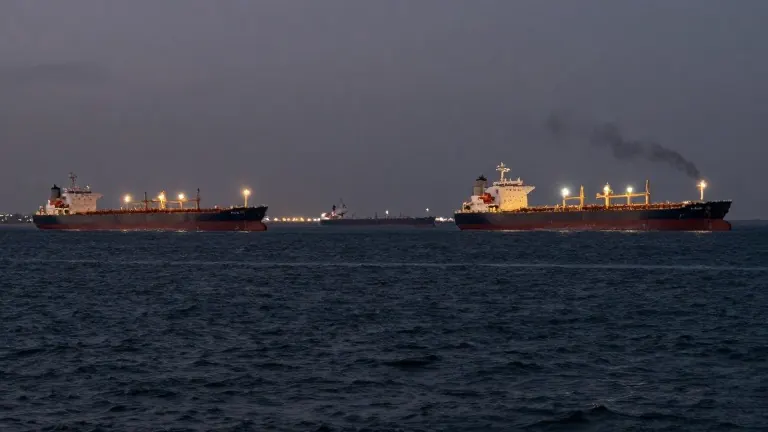
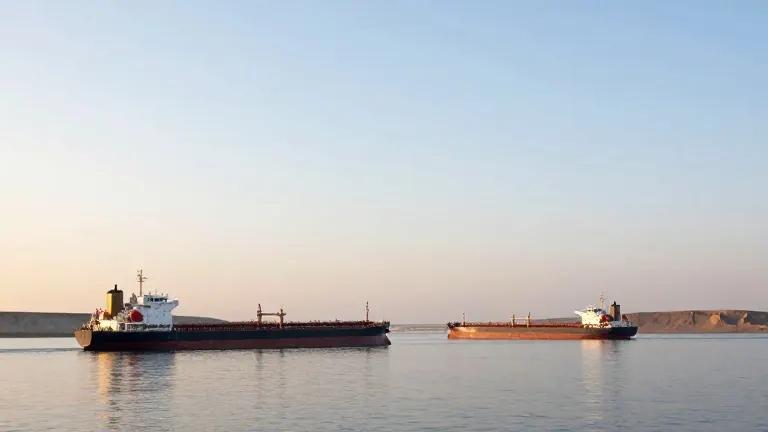
On the second day, Iran would reopen the Strait of Hormuz based on a modified agreement reached with Oman. This arrangement has not yet been approved by the United States. Officials described the mechanism as temporary, serving as a placeholder until a permanent deal is negotiated with other Gulf countries. After these measures are implemented, the U.S. and Iran would begin extensive talks regarding Iran's stockpile of highly enriched uranium and other aspects of its program.
Iran has consistently stated that its nuclear activities are peaceful. The IAEA reports that Iran possesses 440.9 kilograms of uranium enriched to 60% purity, a technical step away from the 90% level considered weapons-grade. Diplomatic efforts have accelerated in recent days, with leaders in the Persian Gulf and beyond holding phone calls to ease regional tensions. Concerns have grown that Trump might order new U.S. military strikes against Iran despite the diplomatic activity.
Defense Secretary Pete Hegseth spoke with Qatari Defense Minister Sheikh Saoud bin Abdulrahman Al Thani on Friday. The Qatari government announced the call after confirming that Trump and Qatar's emir had a separate conversation to discuss de-escalation efforts. Iranian Foreign Minister Abbas Araghchi also held calls with his Iraqi and Tunisian counterparts. Araghchi discussed Tehran's vision for resuming negotiations with Iraqi Foreign Minister Fuad Hussein, according to Iraq's News Agency.
Egyptian Foreign Minister Badr Abdelatty, who spoke with Araghchi twice this week, posted on X on Friday that both sides must show flexibility to reach compromise solutions. He argued this is necessary to prevent the region from entering a new wave of escalation. Abdelatty also called with Emirati Foreign Minister Abdullah Bin Zayed Al Nahyan to stress the importance of political negotiations in avoiding further military confrontation.